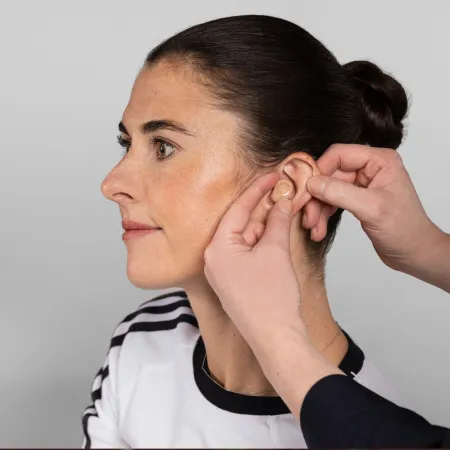
Living with a stutter can be challenging, but finding the right tools makes a real difference. If you are exploring ways to improve speech fluency, you might quickly realize that a one-size-fits-all approach rarely works. Your voice, ear shape, and daily habits are completely unique. At SpeechEasy, we understand this, which is why taking the time to properly fit and program your stuttering treatment device is crucial for gaining confidence in every conversation.

The Role of Customization in Speech Fluency

To get the best results, your technology needs to adapt to your specific speech patterns. A quality stuttering treatment device relies on delayed auditory feedback to help you speak more smoothly. When you use a choral effect device, it slightly alters the pitch and timing of your voice, making your brain feel as though you are speaking in unison with someone else.

As noted by resources from the National Institute on Deafness and Other Communication Disorders, managing a stutter requires individualized, targeted strategies. Customizing the pitch shift and delay settings ensures the auditory feedback matches your exact needs, making the support much more effective during real-world interactions.

Finding the Right Size and Shape

Beyond the internal software settings, the physical design of an in-ear fluency device plays a massive role in your daily success. You want something discreet and portable that you can wear comfortably for hours, whether you are heading into a critical job interview or simply catching up with family.

What to Look For in a Proper Fit

When you get fitted by a fluency professional, they will help you evaluate a few key elements to ensure maximum effectiveness:

  • All-day comfort: The earpiece should sit snugly without causing ear fatigue over time.
  • Discreet appearance: A compact, hidden design helps you focus on the conversation itself, rather than the technology.
  • Background noise management: A secure seal in the ear canal helps minimize outside audio distractions.

What to Fine Tune for Your Device

To get the most out of your stuttering ear device, it’s important to work with your speech-language pathologist to fine-tune its settings. Consider asking about the following adjustments:

  • Delayed Auditory Feedback (DAF) Settings: The delay time is one of the most critical adjustments. According to the American Speech-Language-Hearing Association, altering the timing can have a significant impact on fluency. Ask your provider to experiment with different delay intervals to find what feels most natural for your speech patterns.
  • Frequency-Altered Feedback (FAF) Levels: The pitch of the feedback can also be modified. Some individuals respond better to a higher or lower pitch. Discuss adjusting the FAF to see if it makes your speech feel smoother and more controlled.
  • Volume and Amplification: Ensure the device’s volume is set at a comfortable level that allows you to hear the feedback clearly without it being overpowering. This is especially important in noisy environments where you need the device’s audio to stand out from background sounds.

Getting evaluated for a SpeechEasy model allows you to find a shape and size that matches your lifestyle perfectly. When the fit is right, you can stop thinking about the hardware and start focusing on sharing your ideas freely.

Support Tailored to Your Lifestyle

Building better communication habits takes time, and having reliable tools makes the journey smoother. By investing in a customized, properly fitted SpeechEasy stuttering treatment device, you empower yourself to speak clearly and participate fully in every moment. If you are ready to unlock your speaking potential, contact us today to schedule an evaluation and see how the right device from SpeechEasy fit can transform your daily life.

$750 off SpeechEasy Comfort Fit and CIC models for a limited time!